Adhesive wearables damage healing skin. Duoband gives immunocompromised adults with deep wounds a dressing that watches the immune response at the wound, so infection is caught at home before symptoms show.
Catch Infection Early
Gentle on Healing Skin
Two Parts, One Band
Disposable Sensors
Gold leaf traces carry the sensors right to the wound. The dressing side is made to be thrown away, at about $10 per band.
One high reading means little. Temperature rising for 24 hours or more can be normal healing, as long as it falls over the following days. Duoband builds a personal baseline for each patient, samples every few hours, and flags a continuous rise as an anomaly.
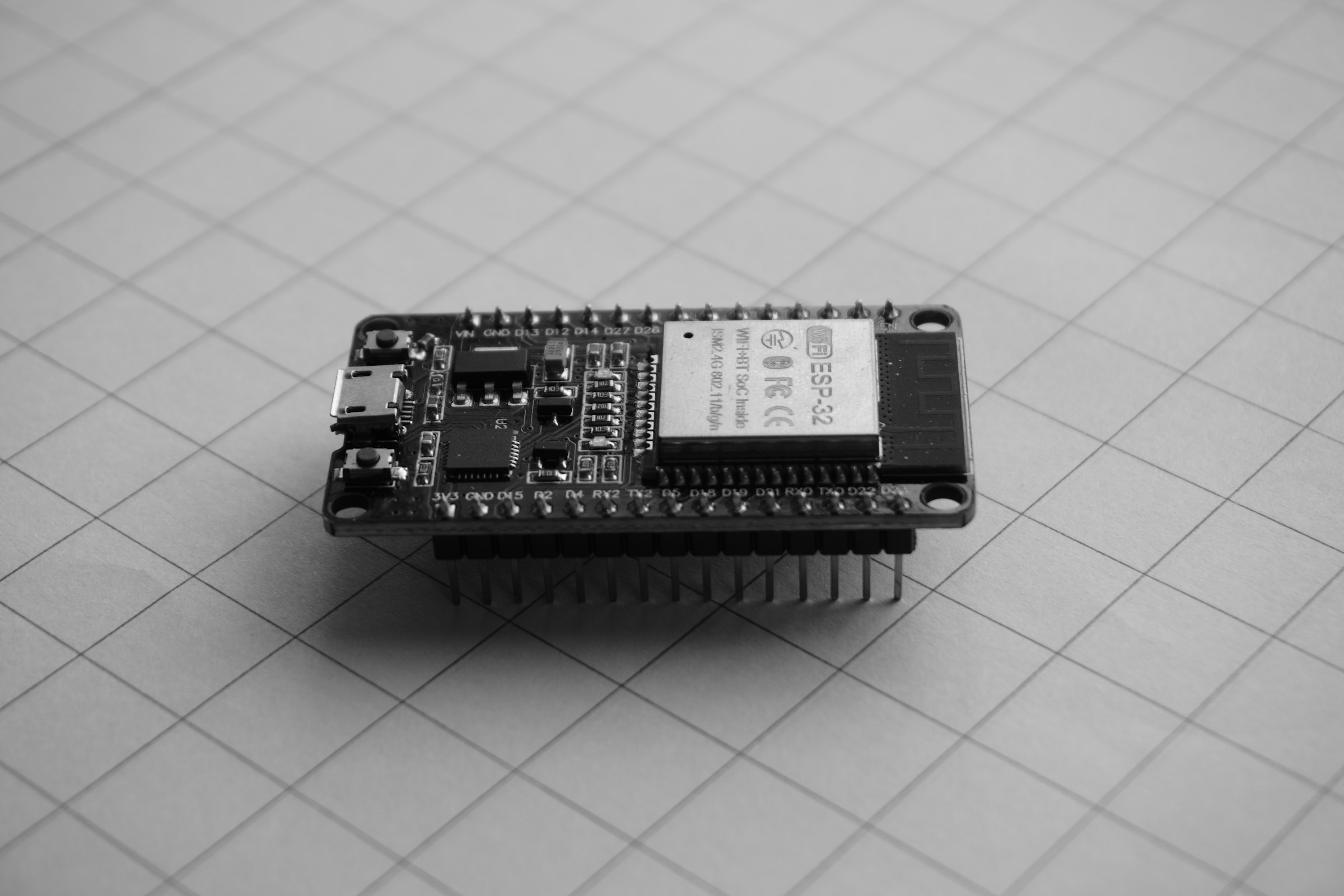
pH needs the same care. Healing favors a low, acidic pH that keeps microbes in check, but a shift can come from healthy bacteria rather than infection. So we pair sensing with biology: a mannitol salt agar indicator in the dressing to detect Staphylococcus aureus, with oxidase testing as a possible second check.
Why It Matters
Estimated Cost per Band
About $10
Septic Shock Treatment per Patient
~$32,000
Estimated E-Waste Cut
80%
What We've Learned
Our mentor urged us to get the core sensing working before adding features. That advice now sets the order of everything we do: lock the design, prove the circuit on a breadboard, then build the first gold leaf prototype.
One high reading means little, whereas a rise over 24 or more hours tells the story. So we track trends rather than single readings, build a personal baseline for each patient, sample every few hours, and plan for a full day of data.
Sweat and wound exudate skew readings. We pivoted our original sensor placement because moisture interferes, and we are adding noise filtering. Placement and filtering matter as much as the sensor itself, and we are still weighing a wound-center layout against a spaced grid.
A pH change can come from healthy flora, not infection. That is why we narrowed biomarker testing to oxidase testing and pH sensing, with one goal: telling harmful bacteria apart from the healthy ones.
DuoSkin showed that gold leaf circuitry is accessible, cheap and skin-friendly. It lets us put sensors on fragile, healing skin without the trauma that adhesive wearables cause.
Who This Serves
Cancer Patients
Adults whose treatment leaves them immunocompromised and who are healing deep wounds at home.
People on Immunosuppressants
Patients who need wound monitoring that guides healing without adhesive wearables damaging their skin.
Lower Costs
Sepsis is largely preventable, yet septic shock treatment costs about $32,000 per patient and low-cost options are scarce.
Less E-Waste
Disposable sensors snap onto a reusable controller and battery pod, cutting e-waste by an estimated 80%.