Progress
How Duoband got here, from our first check-in in May to our second prototype design. Keep scrolling for the full timeline.

Research and planning are well underway and the physical build is just starting. We are 90% confident we finish on our May timeline.
01
Mid November: lock the design. Choose the final sensors, confirm the biology, reach out to out-of-school mentors and finish remaining orders.
02
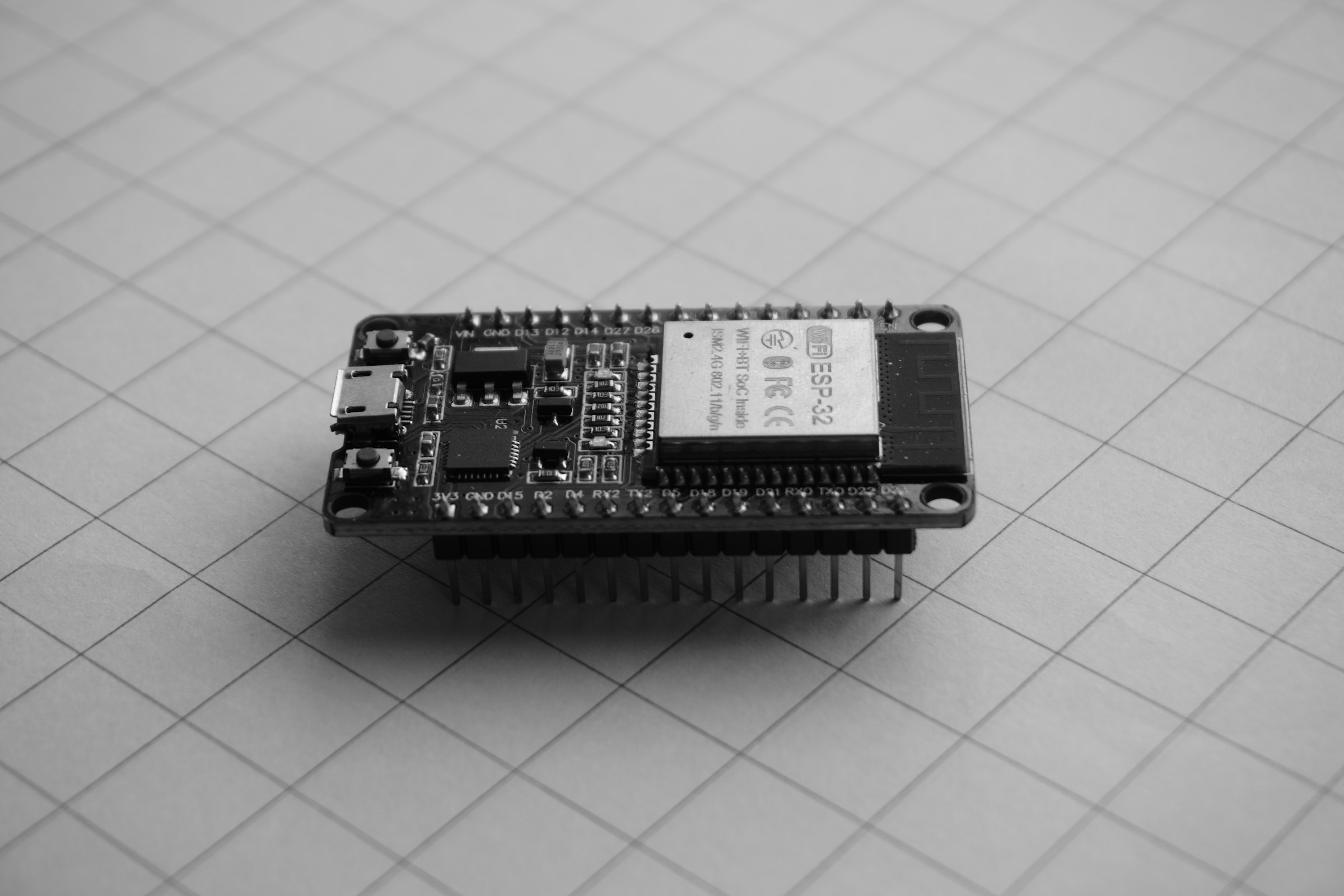
Late November: draw the circuit schematic, wire the sensors to the Arduino on a breadboard and test readings, including moisture noise.
03
December: laser cut stencils, apply gold leaf and mount electronics for prototype v1, and start sketching the app UI.
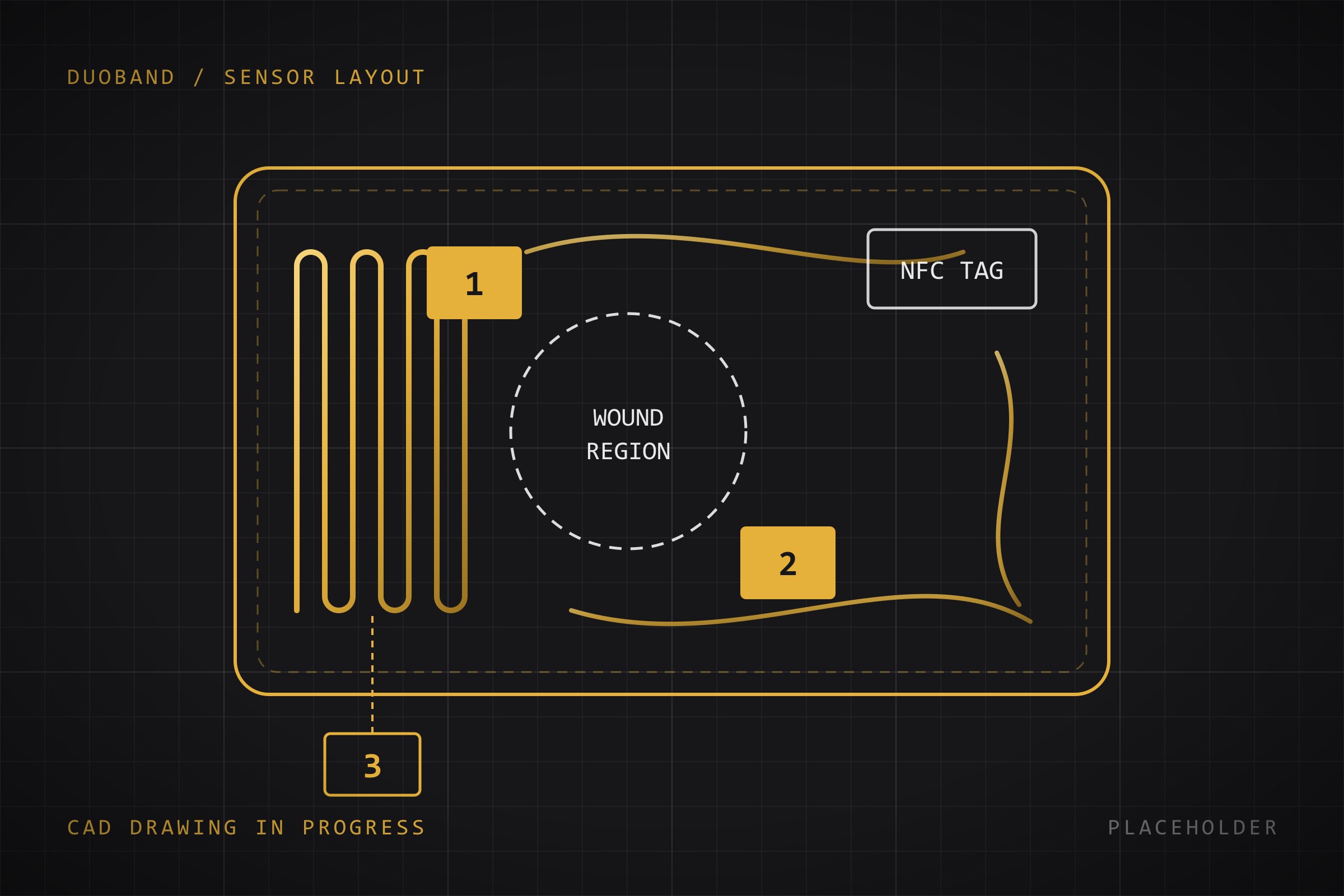
May: an EHS mentor signed on and paper research began. A Hong Kong University paper built on DuoSkin showed our idea was feasible, and our material list took shape.
Readings start once the band is on, sampled every few hours.
Each reading is stored, with room for a full day of data.
One high reading is not an alarm. A rise over 24+ hours is.
When the trend breaks from the patient's baseline, the app sends a notification.